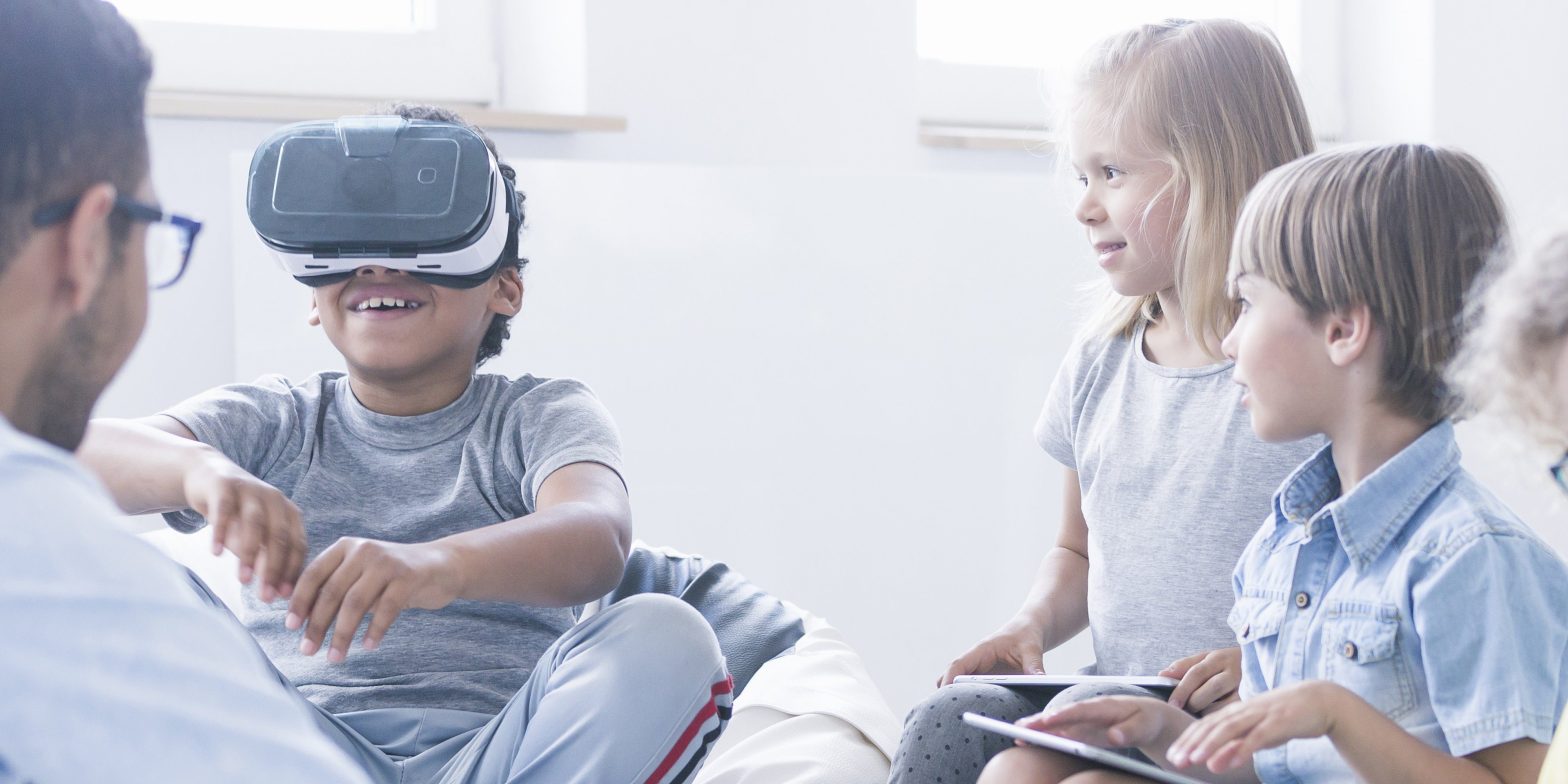
Autism is topic of discussion for VR research as well. Although different in nature,, those with autism can exhibit similar difficulty to those with conditions such as ADD or ADHD and can be treated similarly in some cases (Strickland, D). Using this knowledge, one could stipulate practices from ADD and ADHD research that can be brought to VR for autism.
Snelson, C. (2018, October 12). 3 Positive Uses of Virtual Reality. Retrieved from https://blog.vrplayin.ca/3-positive-uses-of-virtual-reality
Some of such could be the controlled use of stimuli presented to the children. Like attention deficit disorders, younger aged patients have difficulty separating different kinds of stimuli, additionally struggling to determine rewards, leading to distracted, bored and otherwise self-centered individuals. The lack of this distinction can lead to anti-social behaviors, encouraging negative cycles of development patterns. With VR one could control the environment plus simplify the stimuli received, and change it to the user’s expectations (Strickland, D). Through this you can remove visual distractions and sound, while providing a consistent and tolerable environment for the child. Therefore, personalizing the experience to the user.
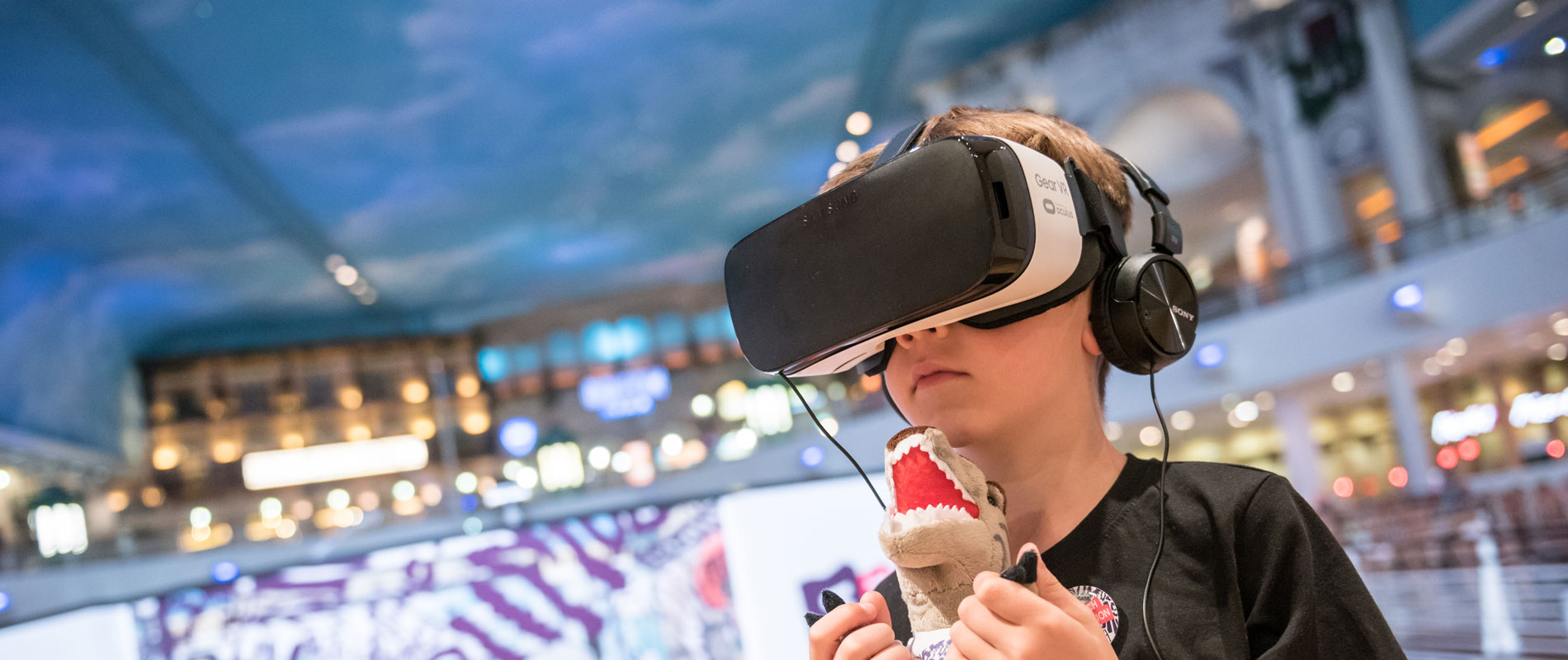
Researchers are using VR to understand autism. (2018, April 19). Retrieved July 20, 2019, from Next Nature Network website: https://www.nextnature.net/2018/04/using-vr-to-understand-autism/
The potential of such control can be taken a step further to create communications with these individuals, reaching safer situations and creating less hazardous and forgiving environments.
Additionally, those with Autism often struggle with personally peer to peer interaction with real people. To fix this, VR offers another avenue, users can interact with these set pieces on their own with minimal supervision and in person interaction. Thus, offering a more gradual build-up to the addition stimuli accompanied with in person session. As a service we can see many ways mental diseases such as Autism can be treated with these tactics. Ranging from the controlled use of stimuli to creation of safe environments and individualized treatment VR is a very flexible tool for physical and cognitive therapies.
 Virtual Reality, a therapeutic solution to modern problems and mental health