Featured

Using exposure therapy in VR to treat paranoia(Video/Media Don’t click the link below)

This article exemplifies exposure therapy by confronting patients with their phobias and flowing a patient named Edwin. A patient stricken with fear in public places and constantly thinking people are going to attack him. Temming talks about his adjustment and success being in these scenarios(like the video above) and how he recovered. Edwin later went on to perform a poem in front of 300 people!(Temming,M) Through frequent exposure in VR and a therapist, patients can begin to be desensitized to their fears(Temming, M.).

Temming, M. (2018, December 11). Virtual reality therapy has real-life benefits for some mental disorders. Retrieved July 20, 2019, from Science News website: https://www.sciencenews.org/article/virtual-reality-therapy-has-real-life-benefits-some-mental-disorders
A VR supermarket designed to expose you to common fears
Featured

Take the pain the way: virtual health(Media)

With the turn of the century mental health and wellness have come to increasingly more prominence, and physicians have struggled to keep up with it. Tech companies such as VRHealth are exploring new ways to deal with pain management. An up and coming, cost effective approach VRHealth is taking is through the combination of physical and cognitive therapies.(Lo,C) Traditional therapy involving physical therapy and medication based on a patient’s needs can not only be tricky but damaging to their health in the future, considering medication can lead to developing addiction and dependencies creating different problems down the line. Instead of this traditional method a powerful new alternative is a combination of physical and cognitive therapy through VR. Through physical and cognitive therapy, doctors utilized the powerful method of immersive distraction to process a patient’s pain providing a new un-explored outlet for the traditional long-term pain relief medication.(Lo,C)

Das, R. (n.d.). Virtual Reality: The Alternative To Marijuana And Opioids For Pain Management. Retrieved July 20, 2019, from Forbes website: https://www.forbes.com/sites/reenitadas/2018/05/31/virtual-reality-the-alternative-to-marijuana-and-opioids-for-pain-management/

Chris Lo describes the human brain like a CPU where 75% of resources goes to visuals and sound and by overloading our CPU with immersive technology like VR, things like pain can be downgraded in our priority list. Which is why if VR can be more widely utilized in society as an initial alternative to the traditional therapy methods, patients can be provided with a superior method of treatment which will be more effective and better in the long term for the patient’s health. For example, a patient going into therapy after a traumatizing incident can be tough not only on their physical state but their mental health. By creating an engaging environment for the patient to not only be distract but engage in fun activities to encourage their therapeutic goals while they train their cognitive and motor skills in a fun way. As well no patient’s treatment is the same and VR provides a platform to create a multitude of different therapies depending on the patient, targeting specific rehabilitation and helping a broader set of users. As the mental battle is almost the biggest part, if a patient can be encouraged to engage in therapy using VR and continuous to gain results and positive re-enforcement, they will not fall into the idea of needing to be dependent on medication for pain relief as they train their brain with a healthier coping mechanism. As well it provides patients with a universal way of receiving treatment as they can use VR anywhere despite their location and still get the same treatment as any other patient without having to travel and pay higher costs for physical therapy and medication. As a headset, VR has the protentional to become a standard medical device which could potentially be adopted by countless health care professionals in order to provide a diverse set of treatments to different patients depending on their needs.

Emotionally-Adaptive Virtual Reality for Mental Health Applications(Academic)

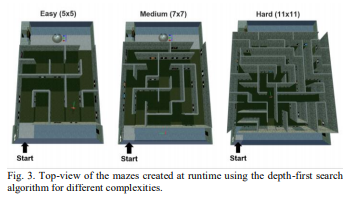
The goal is to design and kick off a general system adaptive environment for users to experience to improve mental health. All to be used in a VR context. The concept entails what they call, an Emotional Labyrinth, a 3D maze procedural generated by the users decisions, with its look and features changing in accordance to the users emotional state

The maze above differs in size with difficulty. The user is hooked up to a real time Affective State Estimation module and monitored(Bermudez I Badia). Upon emotional state change the maze will display different images.

The results concluded that it was a positive experience and was quite healing.

Bermudez I Badia, S., Velez Quintero, L., Cameirao, M., Chirico, A., Triberti, S., Cipresso, P., & Gaggioli, A. (2018). Towards Emotionally-Adaptive Virtual Reality for Mental Health Applications. IEEE Journal of Biomedical and Health Informatics, PP(99), 1. 

VR assessment system built to detect ADHD(Academic)

Due to the increasing rate of diseases such as Attention Deficit Hyperactivity Disorder(Up to about %12 percent of all youths) scholars from across the world have gathered to create a technology to determine ADHD symptoms in young children. This is done through a interactive game designed to test for three specific traits, hyperactivity, inattention or both(Yeh, S., Tsai, Fan, Liu & Rizzo.).

Through the use of modern virtual reality they have designed a way to isolate behavior and attention to key objects in their environment. The test is as comprehensive as the original 90 minute written, but now only takes 15 minutes and gathers more important data to get an accurate diagnosis.

Yeh, S., Tsai, C., Fan, Y., Liu, P., & Rizzo, A. (2012). An innovative ADHD assessment system using virtual reality. 2012 IEEE-EMBS Conference on Biomedical Engineering and Sciences. doi:10.1109/iecbes.2012.6498026 
LINKED HERE 

In-Depth: Therapeutic VR in 2018 is no longer just a distraction(Academic)

Virtual reality is slowly climbing to gain a as an established mainstream medical treatment. Researchers are finding immersive technologies are bringing positive results in a variety of use cases including education/training for physicians to distraction therapy for patients and seniors. As it proves to be a legitimate form of therapy it is growing acceptance in the medical community. Augmented reality can be used to treat the brain virtually with individuals who experience pain while being able to monitor vitals and continue to increase type of therapy suited for specific patients. For example treating a patient with a missing limb, virtual realty can help/train user to re-align their motor skills. Another scenario could be a pilot who has experienced physical trauma where VR therapy can provide exposure to the incident in a safe place where the user can slowly adjust. The next step is to refine VR as a virtual reality tool used in the medical system and collaborate with creators to develop new software which will resolve current challenges and create more accessibility.

 In-Depth: Therapeutic VR in 2018 is no longer just a distraction (therapy) | MobiHealthNews. (n.d.). Retrieved July 20, 2019, from https://www.mobihealthnews.com/content/depth-therapeutic-vr-2018-no-longer-just-distraction-therapy 

VR-adopted in neurological rehab clinic(Media/Audio)

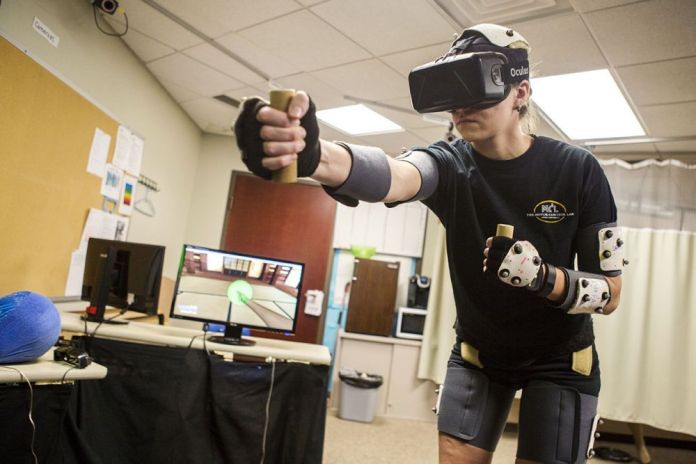
The Neurological Recovery Center (NRC) has recently adopted virtual reality to their regular patient sessions. Since seeing the benefits, they have been inspired to create their own internal app LokoSpirit. Intended to make use of their advanced robotic systems and VR, they have enhanced the experience for Patients struggling with fine motor skills and joint manipulation(Reddy,V). As described by Randall, one of NRC’s therapists ,  “it gives patients the  cognitive aspect of something that they cannot do in the real world, which ‘does wonders for their body'”.

Reddy, V. (2017, October 30). Get Real (virtually) with Therapists: The first VR-adopted neurological rehab clinic. Retrieved July 20, 2019, from Medium website: https://medium.com/@veenareddy/get-real-virtually-with-therapists-the-first-vr-adopted-neurological-rehab-clinic-1699f8bd93f2
An interview Arik, one of NRC’s patients in rehabilitation

VR Transforms Physical Therapy, One Baby Boomer at a Time(media)

Virtual reality is transforming the way Baby Boomer’s think of technology through the use of physical therapy. With increased accessibility it has saved costs and time for patients. An alternative to patients going to clinic to work with an instructor can be replaced with at home therapy session. This changes the way physical therapy can be taught and diagnosed. Specified programs can be created for certain different types of individuals and injuries as well instant feedback and performance results can be given resulting in increased recovery times. This can also be used as a tool for physical therapists who need to see patient statistics to diagnose and further help their patients to the rehabilitation goals. Providing an exciting way to recovery is a innovative approach to a traditional therapy.

 Torres, B. (2017, May 12). VR Transforms Physical Therapy, One Baby Boomer at a Time. Retrieved July 20, 2019, from VR Fitness Insider website: https://www.vrfitnessinsider.com/vr-transforms-physical-therapy-one-baby-boomer-time/ 

Virtual Reality Therapy: Treating The Global Mental Health Crisis(Media)

On a daily bases many people experience levels of stress and anxiety from different areas of life and social interaction. With a rise in mental disorders and the cost for treatment with possible disturbing affects virtual realty can be an alternative treatment. Due to the cost limitations of VR as a treatment it is no widely available but is being used therapeutically. For many disorders it provides a highly effective alternative and sustains recovery without drugs and side affects. It’s being used to treat cognitive disorders, PTSD, phobias and provide stress relief. With such a dark topic, bringing light upon the situation in a new innovative way will not only provide effective therapy but bring more attention to growing problems.

 Virtual Reality Therapy: Treating The Global Mental Health Crisis. (n.d.). Retrieved July 20, 2019, from TechCrunch website: http://social.techcrunch.com/2016/01/06/virtual-reality-therapy-treating-the-global-mental-health-crisis/ 

Bravemind: Helping treat veterans with PTSD(Academic/Video)

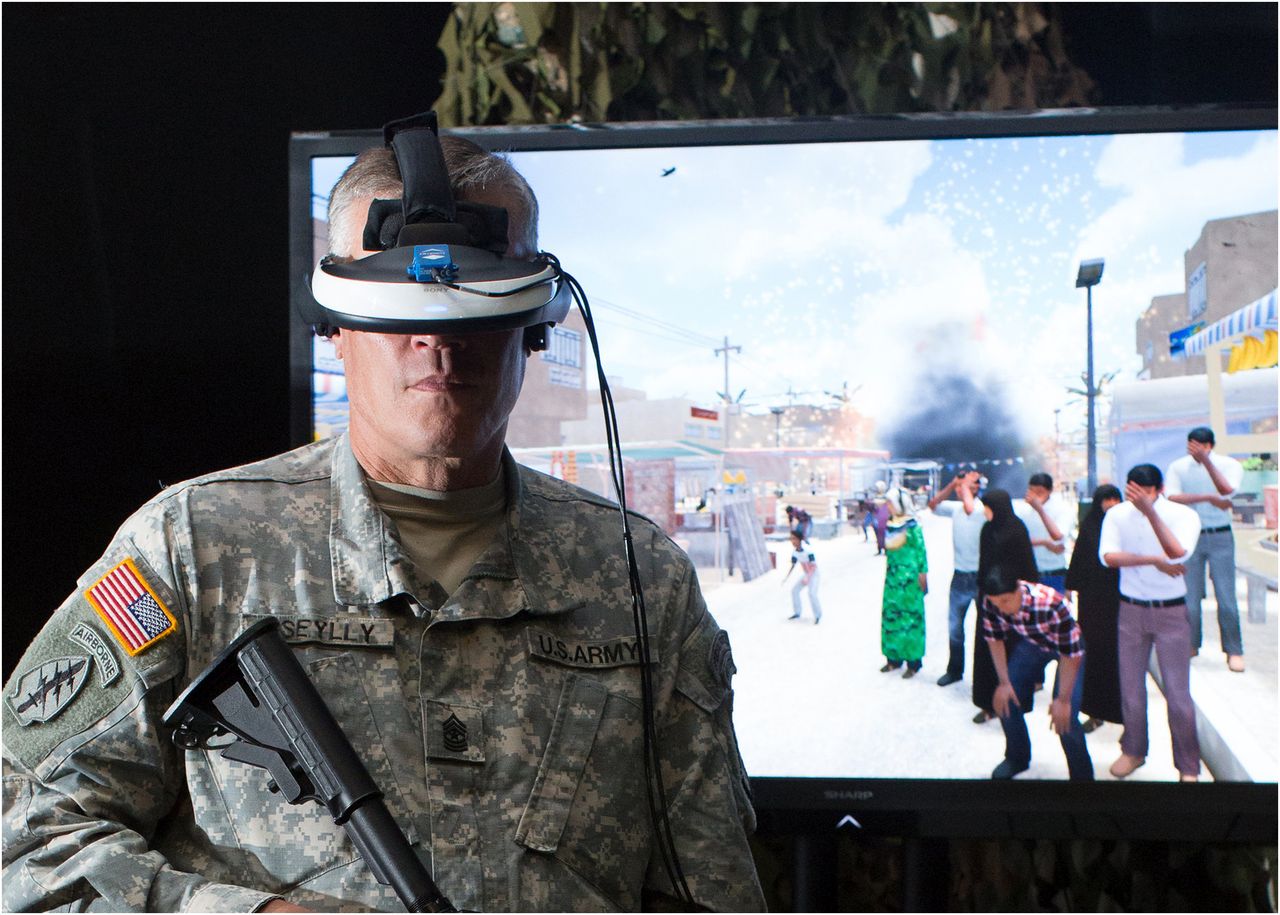
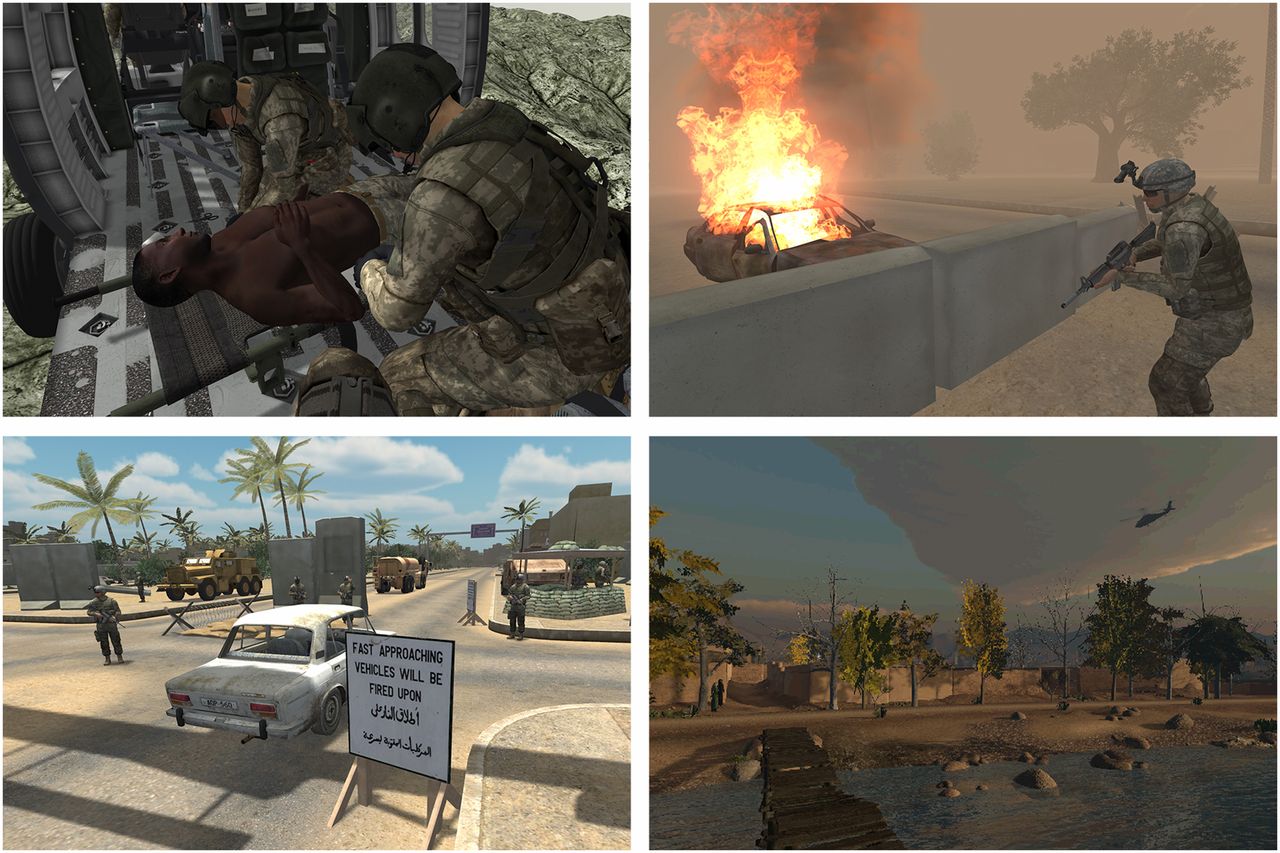
This article details how an application named Bravemind can assist veterans with virtual exposure therapy.

Bravemind, using proprietary hardware creates trauma relevant scenarios to help patients confront and process difficult memories in a safe and supportive environment, this is called Safe exposure (Waldrop, M). Recently, Bravemind has been ported to the HTC Vive and Oculus rift saving thousands of dollars usually used to by the original headset.(Waldrop, M).

Waldrop, M. M. (2017). News Feature: Virtual reality therapy set for a real renaissance. Proceedings of the National Academy of Sciences, 114(39), 10295–10299. https://doi.org/10.1073/pnas.1715133114

3 Positive Uses of Virtual Reality(Media)

Positive use cases for Virtual Reality can be far past the general use of gaming. In real world environments it is being utilized as a treatment verses a traditional gaming console. It has benefited patients by using it as a form of distraction/therapy from pain and injury. By stimulating the brain with VR, studies found patients wearing the headset felt significantly less discomfort then patients without. Another use case is a treatment for phobias, augmented realty allows the patient to be in a safe environment to experience a sever phobia they are seeking the treat and come down to an appropriate conform level with said phobia. Lastly VR has been used a training tool for children with autism. Researchers have created programs which places children with autism in specific scenarios to improve their social skills and control emotions. Augmented reality will continue to provide treatment for real world scenarios the more it is developed and available to all.

Snelson, C. (2018, August 21). 3 Positive Uses of Virtual Reality. Retrieved July 20, 2019, from VRPlayin Blog website: https://blog.vrplayin.ca/3-positive-uses-of-virtual-reality 

Researchers are using VR to understand autism.(Media)

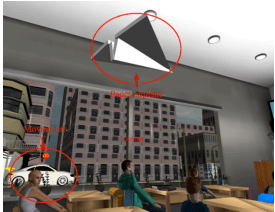
Training programs have been created with the use of augmented reality technologies to help educators understand their students, providing better learning experiences. A team at the University of Malta tackled this challenge by creating a VR application which mimics the experience of an autistic child in a classroom utilizing audio/visual tricks to help teachers understand the children’s thoughts and reactions better. The end goal is by creating this augmented experience a teacher can be in the child’s shoes and feel empathy for the situation. The team focused on portraying different characteristics of autism to give teachers an idea of what to do and what not to do depending on the behavioral encounter. They hope to eventually make versions of the app which can be accessible in homes to parents and family members to improve quality of life.

Researchers are using VR to understand autism. (2018, April 19). Retrieved July 20, 2019, from Next Nature Network website: https://www.nextnature.net/2018/04/using-vr-to-understand-autism/ 

Virtual Reality: The Alternative To Marijuana And Opioids For Pain Management(Media)

 Das, R. (n.d.). Virtual Reality: The Alternative To Marijuana And Opioids For Pain Management. Retrieved July 20, 2019, from Forbes website: https://www.forbes.com/sites/reenitadas/2018/05/31/virtual-reality-the-alternative-to-marijuana-and-opioids-for-pain-management/ 

Healthcare specialists have studied a possible substitute for traditional drug therapy through new VR technologies. Patient driven applications have been created and tested to provide virtual therapy through visual distraction. Augmented reality is proving to be effective in 5 key areas,

  • Prevention
  • Improved Pain Management
  • Improved Training
  • Improved Adherence
  • Telemedicine

Virtual reality is most used as a “pain-killer”, as it provides an alternative to dealing with pain , rather then opioids and cannabis. These traditional types of medication can be seen as addictive and resulting in long term effects. Distraction games have been created to provide immersive experiences to deal with chronic pain bringing peaceful scenarios which teach breathing techniques and positive thinking to cope with pain, which can also be hooked up to the patient to monitor vitals and manipulate the experience based on them.

The long term goal to get Virtual Reality more widely used in the health care system is currently challenged by securing funding and getting others involved in test piloting to further develop the technology. But when awareness grows and increasing amounts of hospitals adopt it prices will drop and it will become widely accessible to patients at home.

Design a site like this with WordPress.com
Get started